If you own a wooded lot, the first useful question is what you want to do there. Walking the property, maintaining an open yard and preparing a house footprint require different finishes. Clearing every tree and digging out every root may be unnecessary for the first two goals, while simply cutting the brush may leave a builder with more work to do.
Glade offers lot clearing in North Port, Florida. The scope can include vegetation removal, selected tree removal, stump and root work, and clearing-debris handling when those items are agreed. Start with the result you need, then decide which work belongs in the estimate.
Decide what “cleared” should mean
An open view from the road does not tell you what remains underneath. A lot can look tidy while still containing roots, buried wood or soft areas. Those conditions matter much more beneath a future driveway or foundation than beside a walking path.
Access and maintenance
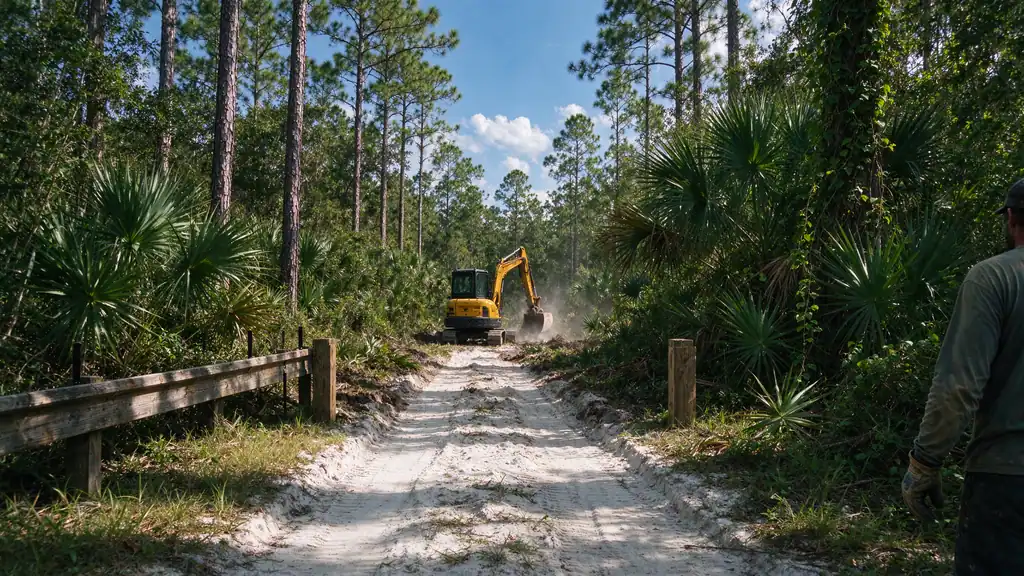
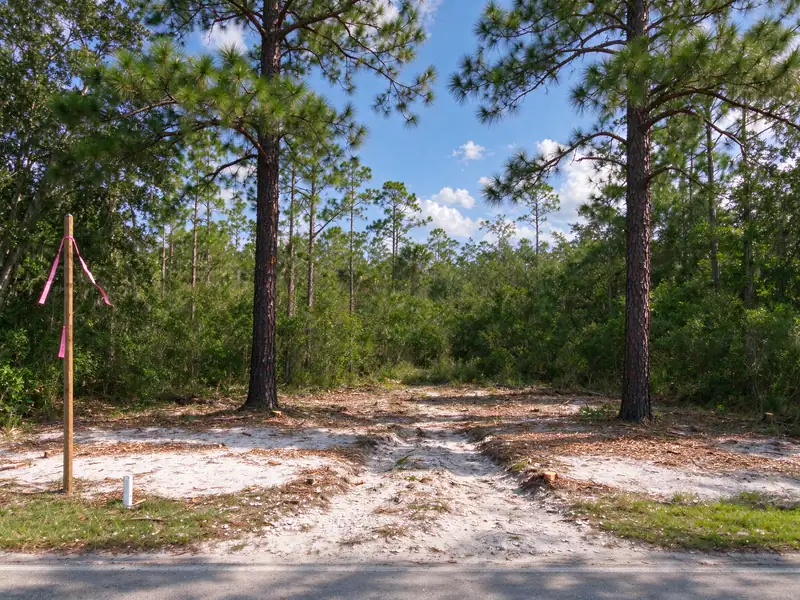
For access, you may need a corridor through the vegetation with selected trees retained. Forestry mulching can process suitable growth on site, leaving a woody surface layer. That can fit vegetation management, but it does not turn the ground into a lawn or a building pad.
Construction preparation
For a building project, obtain the next contractor’s requirements before choosing the clearing finish. Root removal, debris hauling, excavation and final ground preparation are separate decisions. Clearing should deliver the agreed starting condition for the next trade, rather than an appearance that leaves important work unresolved.
A smaller first phase
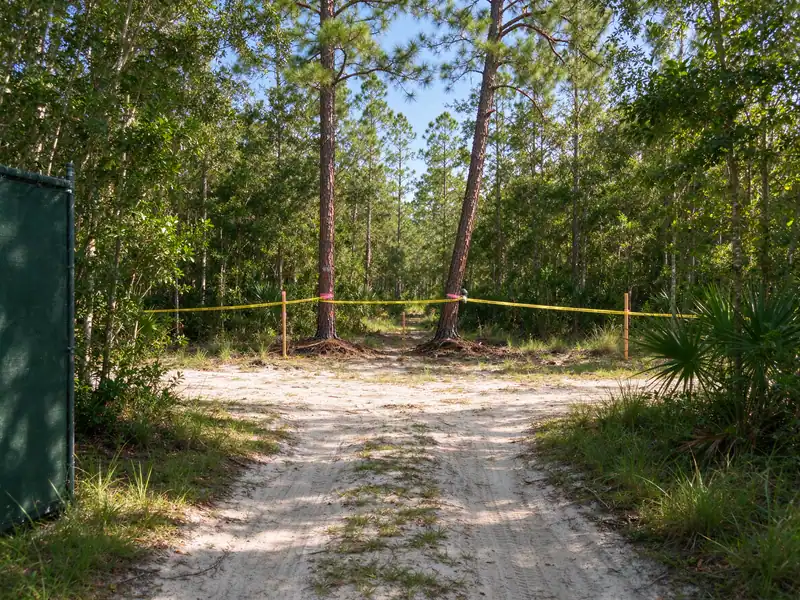
You do not always need to open the whole parcel at once. A limited access area or a marked project footprint may be enough initially. Discuss future phases so the first opening does not block equipment access, leave material in the wrong place or disturb vegetation you later want to keep.
Compare the methods by what they leave behind
| Approach |
Useful when |
What still needs deciding |
| Cut or mulch suitable vegetation |
Access and vegetation management are the main goals |
Residual roots, mulch depth and future regrowth |
| Cut, gather and haul |
You need woody material removed from the work area |
Stumps, loading access and the disposal scope |
| Remove specified stumps and roots |
The next use requires below-ground obstructions addressed |
Backfill, settlement and final preparation |
These methods can be combined on one property. You might retain a wooded edge, mulch an access route and specify root removal only within the planned construction area. A useful estimate describes those areas separately instead of applying one vague finish to the entire lot.
Mark what stays before deciding what goes
The property boundary, permitted disturbance boundary and requested clearing boundary may be different lines. An old fence or neighboring clearing is not enough to establish any of them. Use the available survey and project plans to identify the work area and resolve uncertainty before cutting begins.
Mature trees need more consideration than whether their trunks remain standing. Machinery routes, root disturbance and piled material can affect retained trees. If preserving a particular tree matters to your plans, discuss the space around it and whether qualified arboricultural advice is needed.
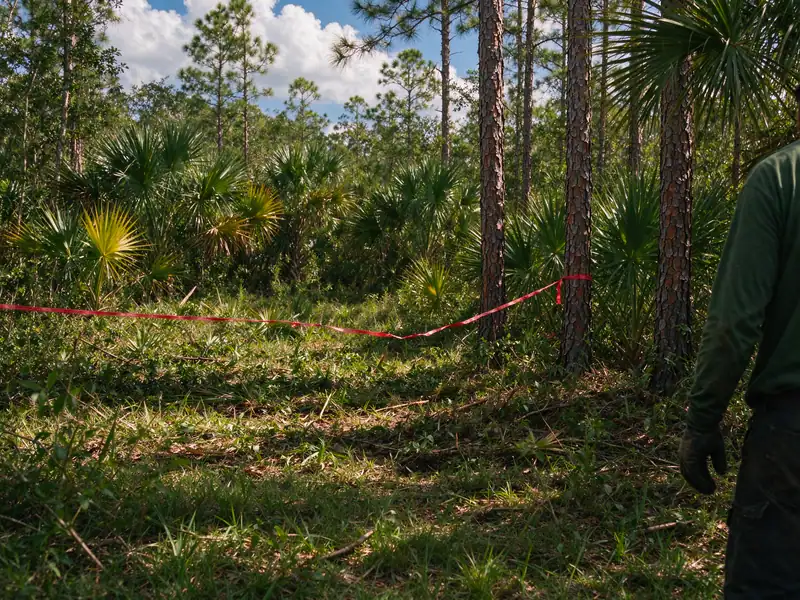
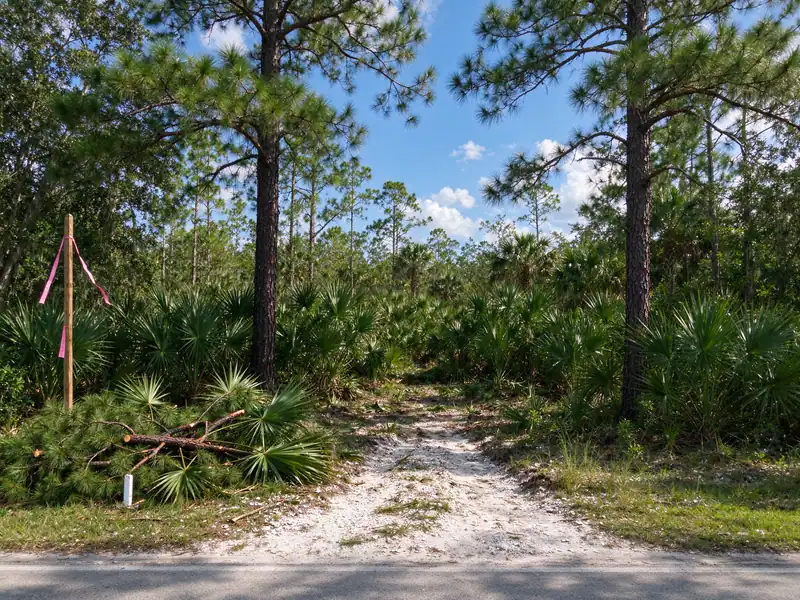
A few annotated photographs can help communicate your intentions. Mark the trees you want retained and the general opening you have in mind, but do not treat a photograph as a survey. Safe roadside photographs are useful; walking into dense brush to document every corner is not necessary.
What a site assessment needs to resolve
Photographs can show vegetation density and the entrance, but they cannot establish every hidden obstacle. Wire, abandoned materials, uneven ground and concealed stumps may change the equipment or handling needed. Disclose what you already know, including previous structures or material dumping, without assuming the clearing price covers their removal.
Access deserves its own discussion. The narrowest opening, overhead branches, turning space and room for loading may determine how the work can be approached. A machine fitting through a gate does not establish that a loaded truck can reach the same area or turn around safely.
Ground conditions also affect the plan. Surface vegetation can conceal wet or soft ground. Describe standing water and known drainage features, and keep proposed travel routes outside unresolved areas. An assessment may lead to a narrower scope, a different method or a change in timing.
North Port approvals affect the clearing boundary
North Port’s tree-removal guidance is a starting point for understanding the local review route. The proposed trees and work determine the questions to resolve. Do not assume that owning the parcel, receiving a building estimate or seeing nearby construction authorizes removal.
Wildlife and wetland questions are separate from the appearance of the lot. A suspected gopher tortoise burrow should remain undisturbed while qualified guidance is obtained. The Florida Fish and Wildlife Conservation Commission explains its permitting framework. A photograph cannot confirm that protected wildlife is absent.
For your clearing decision, the practical point is to establish where equipment can work before committing to a finish and schedule. Glade’s planning guide explains how access, retention and material handling fit together. Parcel-specific authorization still needs to be resolved for the actual project.
Agree on where the material goes
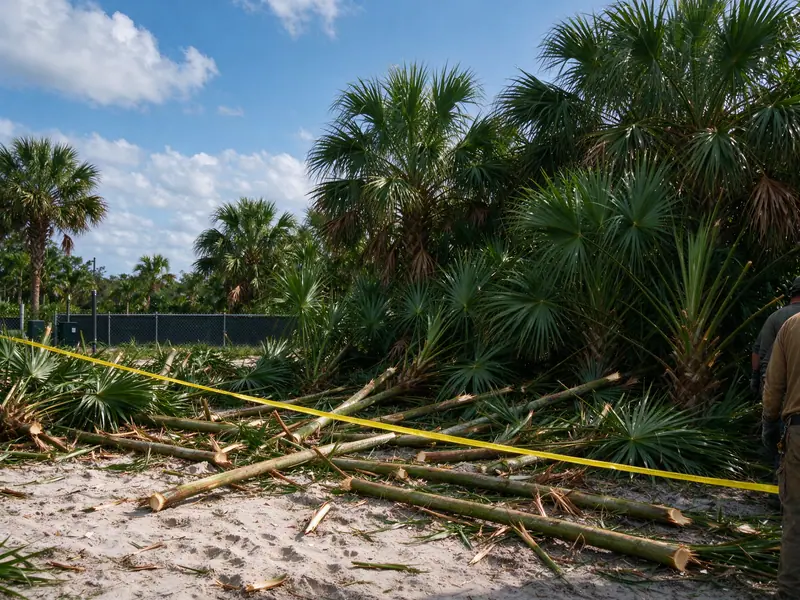
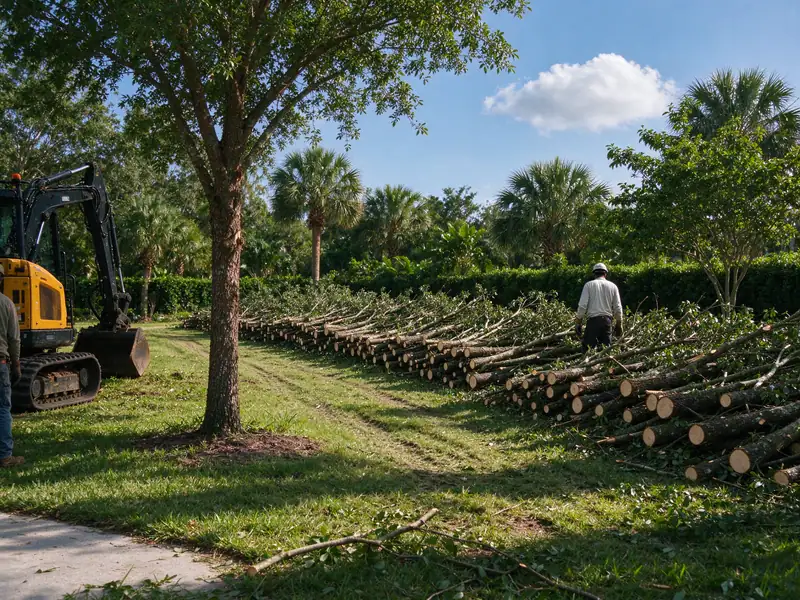
Branches, trunks, chips and root masses are not interchangeable loads. Suitable processed vegetation may remain on site for one project, while another needs the work area free of organic material. Gathering debris into a pile is also different from hauling it away.
Specify the outcome clearly:
- Which material stays, and where it may be placed.
- Which material leaves the property.
- Whether stump chips and root masses are included.
- How unexpected mixed debris will be handled.
- What surface condition is expected after loading.
Burning should never be assumed as the disposal method. Applicable authorization and current conditions must be checked separately. If hauling is proposed, access and receiving-facility acceptance belong in the scope discussion.
Compare the complete clearing price
Acreage is useful context, but it cannot describe vegetation density, tree size, root work or loading constraints. Two equally sized parcels can need different equipment time and disposal arrangements. Comparing only a per-acre figure can hide those differences.
Use the clearing cost guide to compare inclusions. Surveys, permits, specialist wildlife work, imported fill, grading and compaction should not silently become part of a vegetation-clearing price. Ask for their inclusion or exclusion to be stated before accepting a proposal.
There is no dependable project total to publish for an unseen parcel. A useful request includes the location, approximate area, intended use, retained trees, available access and desired material finish. Those details give the pricing discussion a practical starting point without pretending that photographs settle everything.
Plan the handoff and the next season
After the work, compare the agreed boundary and finish with what is visible. Where a builder or another contractor takes over, use that party’s requirements to define the handoff. Removing vegetation alone does not certify soil bearing capacity or engineered ground preparation.
For maintenance projects, consider how you will keep the opening usable. Some plants regrow after cutting, and new growth can occupy newly opened space. Clearing and long-term invasive-plant control are different scopes. A maintenance decision made now can prevent disappointment after the first flush of growth.
Bring your intended result to the conversation
Request an estimate with the parcel location and what you want the lot to become. If you are choosing between a mulched opening and a more extensive removal scope, say so. Include any builder requirements, known access restrictions and safe photographs. The useful next step is to clarify the finish that fits your project.